Water Damage Restoration Wellington FL
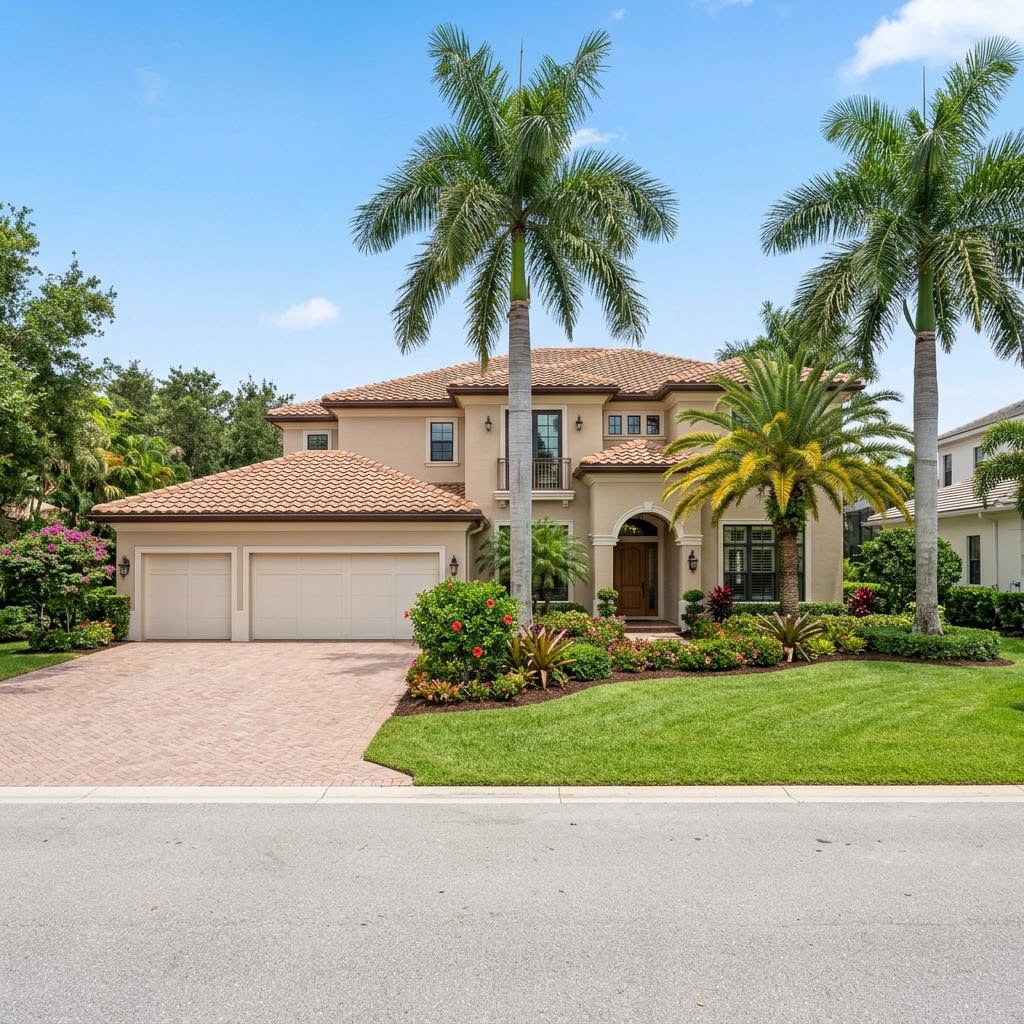
Water damage restoration work for a property in Wellington, Florida
Residential and Commercial Water Restoration

Water Damage Restoration in Wellington, FL

Titan Restoration Construction provides water damage restoration in Wellington, Florida for residential and commercial properties affected by plumbing failures, roof leaks, appliance releases, and storm water. Our team can remove standing water, dry wet building materials, identify concealed moisture, remove damaged finishes, and complete the repairs or reconstruction that follow.

Water Damage Help for Wellington Properties

Wellington includes single-family communities, larger estates, equestrian properties, and active commercial areas. Water can travel a considerable distance through an open floor plan or remain unnoticed in a detached garage, tack room, utility space, or built-in cabinet area. Seasonal downpours can also expose weak roof details and exterior openings.

Titan serves larger homes, gated-community residences, equestrian properties, and neighborhood businesses throughout the local area. Every water loss should be evaluated according to its source, how long materials have been wet, the path the water followed, and the materials involved. Learn more about Titan's broader presence on the Wellington service area page or review the complete water damage restoration service.

Water Extraction for Wellington Homes and Grounds Buildings

A supply line release in a Wellington home can cross broad tile living areas before it is noticed. Extraction begins by stopping the source when possible, removing standing water, and documenting which rooms, cabinets, wall bases, and adjacent finishes were reached. A detached garage, utility room, or tack room should be assessed separately rather than assumed dry because it is away from the main living area.

Large residences and open plans require a deliberate route through the affected space. Water can pass beneath furniture, collect at floor transitions, and enter the toe kicks of built-in cabinetry. Removing visible water is only the first step. The remaining moisture boundary guides decisions about equipment placement, material protection, and whether selected finishes need to be opened for access.

Drying a Spread-Out Interior

Drying work uses measured airflow, dehumidification, and repeated moisture checks to bring wet building materials toward an appropriate condition. In Wellington properties, continuous hard flooring can conceal water that moved from a kitchen, laundry, or mechanical area into nearby rooms. Readings at walls, floor edges, cabinets, and closets help distinguish the visible loss from the full affected area.

Air conditioning drainage issues often begin near an interior closet, garage, or air handler and may wet insulation or drywall before staining appears. Drying should account for the path of the condensate line and nearby wall cavities, not just the ceiling spot. Monitoring supports changes to the drying setup as materials respond.

Addressing Wet Materials Before Mold Develops

Water left in drywall paper, insulation, cabinetry backing, or organic debris can support mold growth. Prompt moisture evaluation is useful after a plumbing release or roof leak, especially in enclosed storage, utility, and detached spaces with limited air movement. The practical goal is to identify what is wet, dry recoverable materials, and remove materials that cannot be reasonably restored.

A musty odor or discoloration deserves investigation, but neither alone identifies the full moisture source. A focused assessment can look behind cabinet bases, beneath affected flooring edges, and around ceiling leaks. Correcting the water path and drying the assembly are central to preventing a recurring condition after cleanup. Learn more about professional mold remediation and Titan's Wellington mold remediation service when mold-related work is needed.

Repairs After Wellington Water Damage

Once drying is documented and damaged materials have been removed where necessary, reconstruction can return the area to usable condition. Scope may include drywall, insulation, baseboards, cabinetry components, flooring transitions, paint, and trim. Keeping restoration and construction in one workflow helps repair choices align with what was opened during the moisture investigation.

For larger homes or ancillary structures, repairs can be sequenced by room and use. That approach helps protect unaffected finishes while work proceeds in a laundry, garage, bath, or living space. Final selections should match the affected assembly and the property owner’s intended finish, rather than applying a one-size-fits-all repair. Explore Titan's Wellington construction and rebuild services.

Residential Water Damage in Wellington

Wellington residences range from gated-community homes to estates and equestrian properties. Water from a water heater, appliance hose, plumbing fixture, or air conditioner may run across large finished areas or remain inside a separate service building. A room-by-room moisture plan helps account for those different layouts.

Business and Property Support

Neighborhood businesses can experience water in restrooms, break areas, ceiling spaces, and back-of-house utility zones. Restoration planning considers the source, affected contents, access needs, and the condition of partitions and flooring before repairs begin.

Rain and Roof Intrusion

Seasonal thunderstorms can expose a weak roof detail, flashing transition, or exterior opening. Rainwater may follow framing or insulation before it appears as a ceiling stain, so the interior evidence and exterior entry path both matter during evaluation. Read about Titan's Wellington hurricane damage restoration and separate Wellington wind damage restoration capabilities for wind-created openings and driven rain. For smoke, soot, or firefighting water from a separate property event, review Wellington fire damage restoration.

A Single Team for Restoration and Construction

Titan Restoration Construction brings 20+ years of experience to water restoration and the construction work that follows. The company is licensed and insured, 5-star rated, and holds an A+ BBB rating. Its restoration plus construction approach supports a coordinated path from water removal through repair.

20+ years of experience
Licensed and insured
5-star rated
A+ BBB
Water mitigation and structural drying
Repair and reconstruction capabilities

Wellington Water Damage FAQs

Can water from a laundry leak reach other rooms?

Yes. Water can travel along hard flooring, through openings at walls, and beneath cabinet edges. The affected boundary should be checked beyond the laundry itself.

Should a detached garage or tack room be inspected?

It should be evaluated if it was exposed to the same leak or rain event. Separate buildings can have different ventilation, insulation, and finish conditions.

Why are cabinet toe kicks checked after a leak?

Water commonly collects behind or beneath cabinets. Checking those areas helps determine whether drying access or selective removal is needed.

What happens after water is extracted?

The next steps typically include moisture measurements, placement of drying equipment, monitoring, and decisions about damaged materials and repairs.

Can a roof leak stain far from the entry point?

Yes. Water can follow roof framing, insulation, or wall assemblies before becoming visible at a ceiling or wall surface.

Discuss Water Damage at Your Wellington Property

Share where water started, the rooms involved, and whether the loss includes a detached or specialty-use space. That information helps establish the next practical steps for extraction, drying, and repairs.