Fire Damage Restoration Wellington FL
Fire and smoke damage restoration planning for a Wellington, Florida property
Residential and Commercial Fire Restoration

Fire Damage Restoration in Wellington, FL

Titan Restoration Construction provides Fire Damage Restoration in Wellington, Florida for residential and commercial properties affected by fire, smoke, and soot. Our work can include cleanup, smoke damage restoration, soot cleanup, treatment of affected materials, and reconstruction. Because Titan combines restoration and construction, a Wellington property can move from the initial damage plan through repairs and rebuilding with one experienced company.

Fire Restoration for Wellington Properties

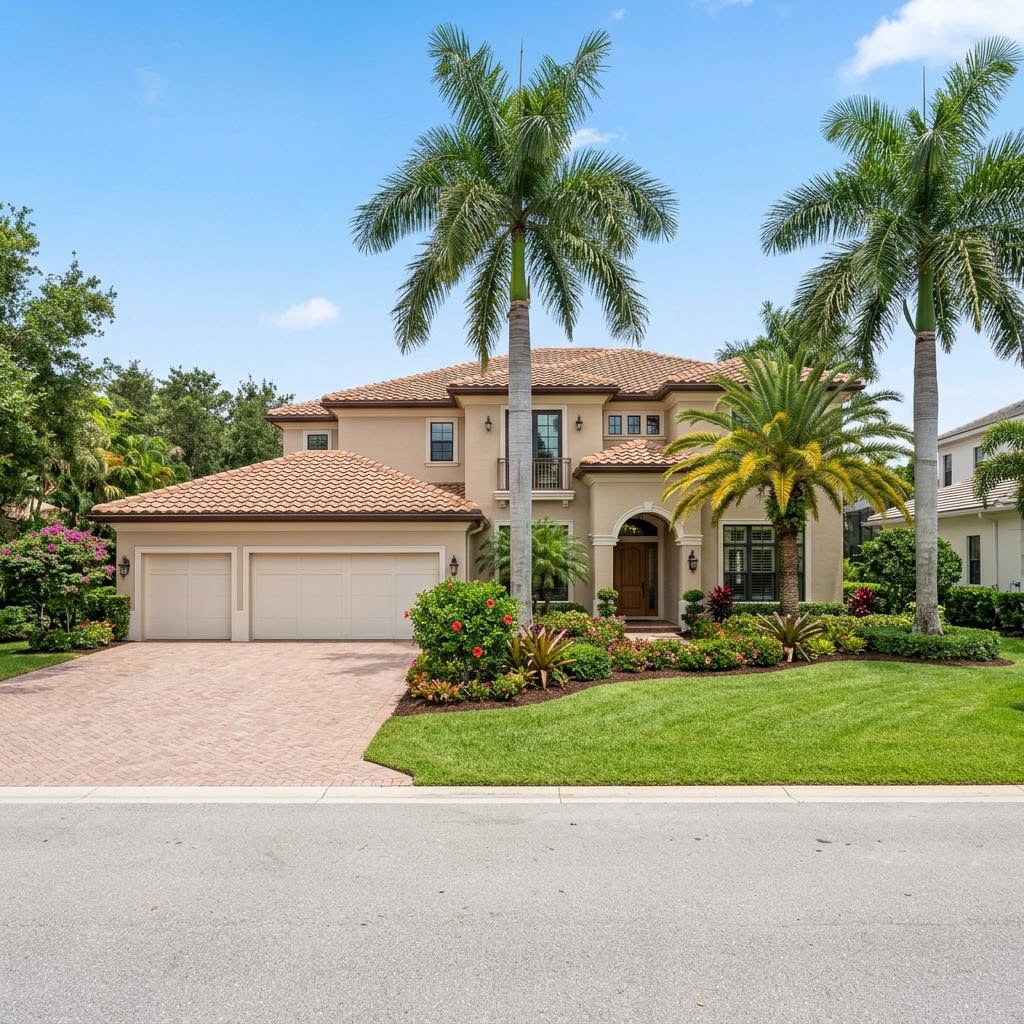
Wellington includes established single-family neighborhoods, gated communities, larger residences, equestrian properties, and commercial centers. A kitchen incident in an open-plan home may distribute residue into adjoining living areas, while a garage fire can affect rooms above or beside it. Detached garages, utility buildings, and equestrian accessory structures have different finishes and access conditions from a primary residence. Titan develops the scope around the actual building, the affected materials, and how smoke, soot, and firefighting water moved through the property.

Review Titan's fire damage restoration service or visit the Wellington service area page.

Assessment and Planning for a Wellington Fire Loss

Fire restoration planning starts by separating direct fire damage from smoke-affected, soot-covered, and water-affected areas. Different residues and materials call for different decisions. Finished wood, tile, drywall, insulation, cabinet components, and flooring do not respond to heat, smoke, or water in the same way. Titan evaluates what may be cleaned, what may require controlled removal, and which openings or finishes will need repair.

The layout matters in large homes and properties with detached structures. Titan considers travel paths, connected rooms, built-ins, ceiling spaces, and the practical sequence for cleanup and reconstruction. The purpose is a clear restoration scope based on observed conditions, not an official determination of how the fire began and not an assumption that every room requires demolition.

Smoke Damage Restoration Across Connected Rooms

Smoke can travel farther than the visible fire area, moving through doorways and open living spaces and settling on walls, ceilings, cabinets, furnishings, and HVAC-adjacent surfaces. In a broad Wellington floor plan, residue from one room may reach a hallway, second-floor landing, or nearby bedroom. Professional smoke cleanup therefore considers both the source area and the pathways through which smoke circulated.

Titan tailors fire and smoke restoration to the residue, surface, and level of exposure. Appropriate materials may receive detailed cleaning, while damaged porous finishes may require removal. Smoke damage restoration also involves reassessing surfaces as debris is cleared, since residue can remain at cabinet tops, trim profiles, and concealed edges even when the main room looks cleaner.

Material-Specific Soot Cleanup

Soot can settle as a fine or oily residue, and an unsuitable cleaning approach may spread it or affect a finish. Titan plans soot removal and fire residue cleaning according to the residue and the material beneath it. Painted drywall, finished cabinets, masonry, metal, and flooring may each require a different professional method. Cleaning and retention are considered where reasonable; removal is reserved for materials whose condition no longer supports restoration.

A Practical Approach to Smoke Odor

Visible debris removal does not by itself address odor held by porous or concealed materials. Smoke odor restoration may include source cleaning, removal of unsalvageable affected material, access to impacted cavities, and professional fire odor treatment suited to the project. Results depend on the extent of exposure and the materials involved, so Titan treats odor as part of the full restoration plan rather than making an absolute promise.

Water Damage From Firefighting Efforts

Water used during firefighting can migrate below flooring, into drywall, behind baseboards, or from an upper level into a ceiling below. The response may require water extraction, moisture detection, structural drying, and dehumidification in addition to fire cleanup. Wet insulation, flooring layers, and gypsum materials are evaluated according to their condition.

Drying should be coordinated with smoke cleaning and removal work. An assembly may need to remain open so trapped moisture can be addressed before new finishes are installed. Titan provides water damage restoration as part of this connected process and considers prolonged moisture conditions when sequencing the recovery. Learn about water damage restoration and Wellington water damage restoration. If firefighting moisture remains for a prolonged period, review professional mold remediation.

Controlled Removal of Damaged Materials

Some drywall, insulation, ceiling material, trim, flooring, or cabinetry may be too damaged by heat, residue, or water to remain. Titan uses controlled removal to open affected assemblies and clear materials identified in the scope. This is a measured process, not automatic whole-room demolition. Retainable finishes are protected where conditions allow, and removal boundaries are planned with later repairs in mind.

Reconstruction for Homes, Garages, and Interior Spaces

Fire damage reconstruction is a major part of returning a property to use. After cleanup, drying, and material removal are complete, Titan can replace drywall, insulation, trim, flooring, paint, cabinetry, and other interior finishes. Work may involve a localized garage wall, a complete kitchen finish package, or broader repairs across connected living areas.

Titan Restoration Construction provides restoration and construction through the same company. The rebuild team can work from the actual removal boundaries and understand where water, smoke, and fire affected the assembly. That continuity is especially valuable in larger Wellington residences and detached structures, where multiple trades and detailed finish transitions may be involved. Explore Titan's construction and rebuild services.

Kitchen Fire Damage and Cabinet Restoration

A Wellington kitchen fire can affect cabinets near the source, appliances, backsplash areas, drywall, ceilings, flooring, and an adjoining family room. Smoke and soot may reach cabinet interiors or settle above built-ins even when flames remained localized. Titan can coordinate residue cleaning and controlled removal, then reconstruct wall finishes, flooring, and cabinetry as the project requires.

Electrical, Appliance, and Other Fire Scenarios

Property fires may be associated with electrical components, appliances, cooking incidents, equipment, or other accidental circumstances. Titan does not diagnose the origin or perform an official fire-cause investigation. Regardless of the cause of the fire, the restoration scope is based on the resulting fire, smoke, soot, water, and material damage observed at the property.

Residential Fire Restoration in Wellington

Titan serves single-family homes, gated-community residences, townhomes, larger properties, garages, and eligible detached structures. Residential planning accounts for occupied areas, household finishes, open layouts, and the connection between a main home and accessory space. Kitchens, bedrooms, living rooms, utility areas, and attached garages can each require a distinct cleanup and repair sequence.

Fire Cleanup for Wellington Businesses

Offices, retail spaces, service businesses, and other commercial interiors may need phased smoke cleanup, soot cleaning, water drying, material removal, and repairs. Titan plans around the affected suite or building configuration without claiming a one-size-fits-all scope.

Why Wellington Property Owners Choose Titan

Titan brings 20+ years of experience to Palm Beach County, with licensed and insured service, a 5-star rating, and an A+ BBB standing. The same company can address fire restoration, smoke and soot cleanup, water-related damage, and construction, creating practical continuity from the first scope through rebuilding.

Wellington Fire Damage Restoration FAQs

Can smoke from a Wellington garage fire affect rooms inside the home?

Yes. Smoke may move through doors, wall and ceiling connections, or nearby passages and leave residue in adjoining rooms. The assessment should include those connected areas.

Does fire damage in a detached equestrian building require a different plan?

It can. Access, ventilation, construction materials, utilities, and finish levels may differ from the main residence, so Titan adapts cleanup and reconstruction to that structure.

Will every soot-covered surface need replacement?

No. Decisions depend on the residue, substrate, heat exposure, and whether professional cleaning can reasonably restore the material. Some porous or heavily damaged materials may require removal.

Can Titan rebuild an attached garage after fire cleanup?

Yes. After cleanup and drying, Titan can complete needed drywall, insulation, trim, paint, flooring, and other construction work within the approved project scope.

How is firefighting water handled beneath Wellington home flooring?

Titan evaluates the water path and material condition, then may use extraction, moisture detection, drying, dehumidification, and selective removal as the assembly requires.

Plan Fire Damage Restoration in Wellington

Call Titan Restoration Construction or schedule online to discuss a Wellington home, equestrian property, detached structure, or business. Share where the fire occurred and which areas show smoke, soot, water, or finish damage so the restoration and reconstruction conversation begins with useful property details.