Hurricane Damage Restoration Wellington FL
Hurricane damage restoration planning for a Wellington, Florida property
Residential and Commercial Hurricane Restoration

Hurricane Damage Restoration in Wellington, FL

Titan Restoration Construction provides Hurricane Damage Restoration in Wellington, Florida for residential and commercial properties with hurricane-related water and property damage. Our work connects cleanup, water extraction, drying, repairs, and reconstruction after hurricanes and tropical storms. Wind-driven rain can enter through damaged roof areas, exterior openings, doors, windows, and building-envelope failures, reaching finishes and concealed assemblies. Titan evaluates the resulting interior and exterior damage without presenting this service as roof replacement. Hurricane Damage Restoration addresses the full storm loss and its water, material, and construction consequences. Wind Damage Restoration is a distinct service focused specifically on damage caused by wind forces.

Storm Recovery for Wellington Homes and Equestrian Properties

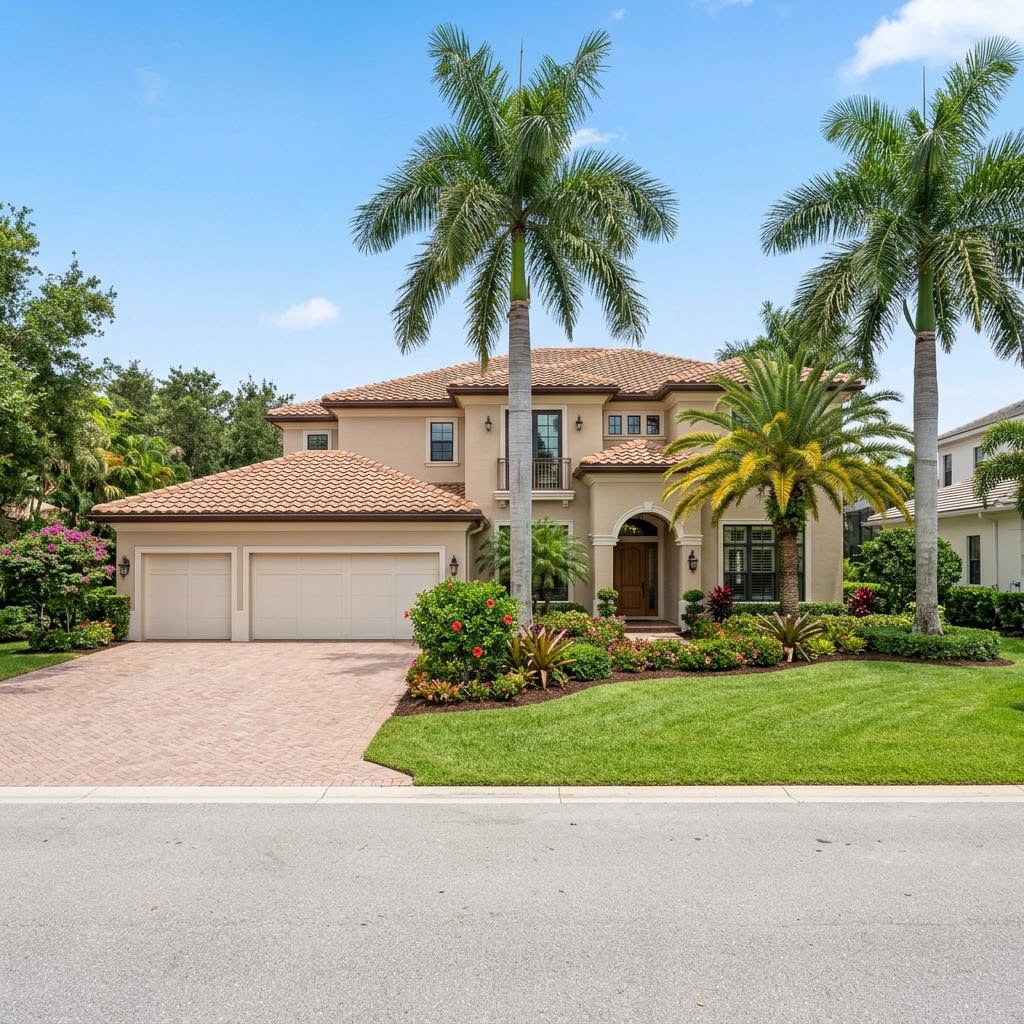
Wellington has gated neighborhoods, larger single-family residences, equestrian properties, detached garages and utility structures, commercial centers, and homes on larger lots. A tropical storm can affect a main residence differently from a detached building, while broad floor plans and continuous flooring can allow water to travel well beyond the first visible stain. Roof or exterior damage may create an entry path that requires evaluation by an appropriate trade, while Titan concentrates on water intrusion, damaged building materials, interior recovery, repairs, and reconstruction. Access between structures, high ceilings, attached garages, and specialized interior finishes all shape the scope.

Review Titan's Hurricane Damage Restoration service or visit the Wellington service area page. Hurricane restoration addresses the wider storm loss, while Wellington Wind Damage Restoration remains a separate service focused on wind forces.

Finding and Removing Storm Water

Water may collect in an entry, garage, living area, tack room, or detached structure, then migrate beneath flooring or into wall bases. Titan begins with conditions that can be accessed and uses water extraction where standing or recoverable water is present. Moisture detection helps define wet material beyond the obvious puddle so the plan is based on the water path rather than appearance alone.

Rain entering from above can move through insulation, ceiling finishes, wall cavities, and lower-level materials. The source opening must be addressed as part of the broader property plan before finishes are closed. Titan coordinates cleanup and drying around observed conditions while distinguishing restoration of resulting damage from work that belongs to a roofing or other exterior specialist. Learn about Titan's Water Damage Restoration service and Wellington water damage restoration.

Exterior Openings and Interior Consequences

Hurricane forces can affect doors, windows, soffit areas, cladding, roof-adjacent components, and other exterior openings. Titan reviews how those conditions relate to interior water and material damage, then plans restoration within the applicable scope. Stabilization may be needed to reduce additional exposure or support safe restoration activity, but the method depends on the building and observed damage. An exterior concern is not automatically a promise of roof repair or roof replacement.

Wind-Driven Rain Across Large Floor Plans

Wind-driven rain does not always fall directly below an opening. It can follow framing, collect behind baseboards, move beneath tile or other flooring systems, and appear in a room away from the entry point. Larger Wellington homes and connected garages warrant careful moisture mapping so selective access and drying are directed to affected assemblies rather than based on a single visible stain.

Interior Material Decisions After a Storm

Drywall, insulation, flooring layers, trim, cabinets, and ceiling finishes are evaluated by material, moisture condition, physical damage, and access. Some components may support drying and retention; others may require selective removal to expose a wet assembly or clear material that cannot reasonably remain. Titan avoids treating every wet room as a total demolition and plans removal boundaries with later repairs in mind.

Measured Property Stabilization

Before detailed restoration proceeds, affected areas may need practical stabilization based on visible conditions. This can include controlling access to damaged interior areas, protecting retainable finishes, removing unstable debris within the restoration scope, or coordinating temporary protection of an exposed opening. Titan does not make unsupported structural or engineering conclusions. The purpose is to establish workable conditions for cleanup, drying, and repair.

Structural Drying and Dehumidification

After extraction and needed access work, Titan develops a structural drying approach using moisture information and the assemblies involved. Dehumidification and air movement may be used to reduce moisture in suitable retained materials. Conditions are reassessed as drying progresses because wood components, gypsum materials, insulation, and layered flooring release moisture differently. Concealed wet material may require a selective opening rather than simply extending equipment operation.

Managing Mold Risk After Hurricane Water Intrusion

Warm, humid conditions can allow mold growth when storm moisture remains in porous or concealed materials. Titan considers the time, water path, material condition, and visible findings when planning the work. Prompt extraction, drying, dehumidification, and removal of unsalvageable wet material can limit prolonged moisture conditions. Mold concerns are handled as a property restoration issue without making health diagnoses or using alarmist claims. When conditions warrant, review professional mold remediation and Wellington mold remediation.

Reconstruction for Main Homes and Detached Buildings

Once cleanup, drying, and selective removal are complete, Titan can reconstruct affected interiors. The scope may include insulation, drywall, ceiling texture, paint, trim, flooring, cabinetry, and other finishes. Repairs may be limited to a garage wall or detached structure, or may cross several connected rooms where rain traveled through a larger residence.

Titan combines restoration and construction, allowing information about moisture paths, opened assemblies, and removal boundaries to carry into rebuilding. This continuity is useful on Wellington properties with multiple structures and detailed finish transitions. Reconstruction remains tied to the documented project scope and does not imply engineering, roof replacement, or work outside Titan's restoration and construction role. Explore Titan's Construction & Rebuild services.

Residential Hurricane Restoration in Wellington

Titan serves single-family homes, gated-community residences, townhomes, equestrian properties, attached garages, and eligible detached structures. Residential planning can account for occupied areas, broad layouts, high ceilings, household finishes, and water that has moved between a main home and connected service areas. Each plan follows the actual storm effects rather than a standard room package.

Wellington Commercial Storm Damage Cleanup

Offices, retail spaces, service businesses, and commercial interiors may need water extraction, moisture detection, phased drying, selective removal, and construction repairs. Titan evaluates partitions, flooring, ceiling systems, fixtures, and access around the affected work area so restoration reflects the operating layout without promising a fixed schedule or outcome.

Why Wellington Property Owners Select Titan

Titan Restoration Construction brings 20+ years of restoration and construction experience to Palm Beach County. Titan is licensed and insured, 5-star rated, and has an A+ BBB rating. Property owners can work with one company for storm-water cleanup, structural drying, selective removal, interior repairs, and reconstruction while keeping hurricane restoration distinct from a wind-only damage service.

Wellington Hurricane Damage Restoration FAQs

How can hurricane rain affect a Wellington home and detached equestrian structure differently?

Different construction, openings, finishes, and access can create separate water paths. Titan evaluates each affected structure and develops cleanup, drying, selective removal, and repair scopes around its actual conditions.

Does Titan replace a roof damaged during a Wellington hurricane?

This page does not promise roof replacement. Titan addresses resulting water and property damage within its restoration and construction scope, while roof or exterior source work may require coordination with the appropriate trade.

Can water move beneath continuous flooring in a large Wellington residence?

Yes. Water can migrate beyond the visible entry area beneath connected flooring and into wall bases. Moisture detection helps identify where extraction, access, drying, or selective removal may be needed.

When is storm-damaged drywall selectively removed?

Removal depends on saturation, physical damage, contamination conditions, access needs, and whether the assembly can reasonably be dried. Titan defines measured boundaries instead of assuming all drywall in a room must go.

Is Hurricane Damage Restoration the same as Wellington Wind Damage Restoration?

No. Hurricane Damage Restoration can address water intrusion, cleanup, drying, damaged materials, repairs, and reconstruction from the broader storm event. Wind Damage Restoration focuses specifically on damage caused by wind forces.

Discuss Hurricane Damage at Your Wellington Property

Contact Titan Restoration Construction to describe storm-related water entry, affected rooms, detached structures, visible exterior openings, and damaged finishes at a Wellington home or business. Those details help frame a property-specific conversation about cleanup, drying, repairs, and reconstruction.