Water Damage Restoration Highland Beach FL
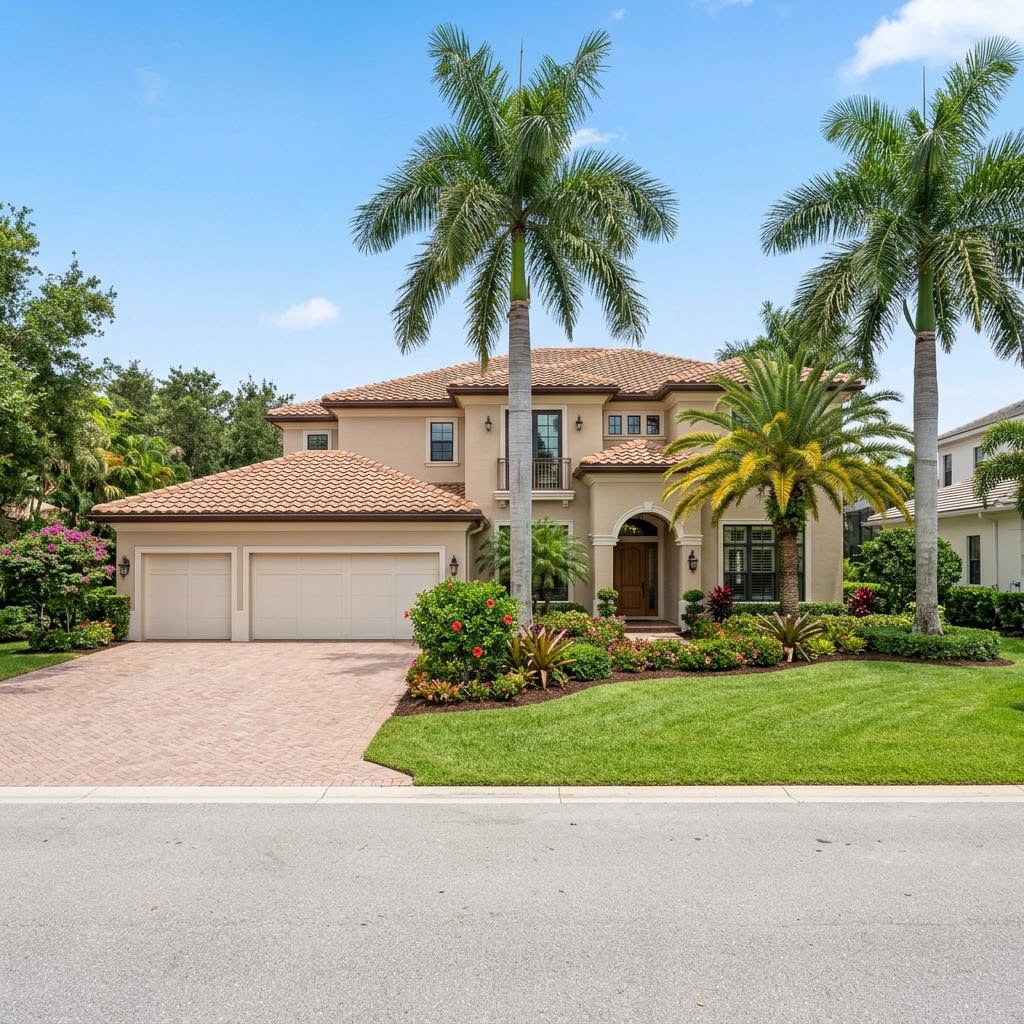
Water damage restoration work for a property in Highland Beach, Florida
Residential and Commercial Water Restoration

Water Damage Restoration in Highland Beach, FL

Titan Restoration Construction provides water damage restoration in Highland Beach, Florida for condominiums, waterfront homes, and commercial interiors. Titan can extract standing water, monitor moisture, dry affected materials, remove unsalvageable finishes, and complete repairs while working around the access and finish considerations of coastal buildings.

Moisture Movement in Highland Beach Buildings

Highland Beach is a narrow coastal community with many multi-story residential properties as well as detached waterfront homes. Water from a pipe or fixture may show up in more than one unit. Stone, built-ins, wall coverings, and finished surfaces require a deliberate plan for protection, access, drying, and any selective removal.

Titan serves high-rise condominiums, waterfront residences, and carefully finished interiors throughout the local area. Every water loss should be evaluated according to its source, how long materials have been wet, the path the water followed, and the materials involved. Learn more about Titan's broader presence on the Highland Beach service area page or review the complete water damage restoration service.

Water Removal for Highland Beach Interiors

Highland Beach includes multi-story condominiums and waterfront homes where a water event may reach detailed finishes before it is noticed. Extraction removes standing water from accessible areas, but the assessment also considers flooring edges, built-ins, wall coverings, and ceilings that may have received moisture from a pipe, fixture, or appliance line.

In high-rise settings, the visible water may be below or beside the original release. Water can pass through stacked plumbing routes and floor assemblies, making a clear inspection of the source and affected units important. Protecting unaffected finishes while work proceeds helps keep the scope focused.

Controlled Drying Around Finished Surfaces

Stone, millwork, built-in cabinetry, and other detailed surfaces benefit from deliberate drying decisions. Equipment and airflow are planned around the assembly, while moisture readings indicate whether water remains behind a surface. A dry-looking face does not necessarily mean the wall or floor system behind it is dry.

When access is needed, selective removal can provide a path for inspection and evaporation without automatically dismantling an entire room. Dehumidification and ongoing monitoring support drying of affected cavities and help determine when materials have reached drying goals.

Managing Concealed Dampness

Mold can become a concern when water remains beneath flooring, behind millwork, or inside a wall cavity. A prompt, measured drying effort reduces that condition, particularly after a hidden appliance leak or a small but persistent plumbing release.

If mold growth or compromised porous material is identified, containment and selective removal may be necessary. The repair plan should also address the underlying water source, whether that is stacked plumbing, a failed connection, or rain entering around an ocean-facing opening. Learn more about professional mold remediation and Titan's Highland Beach mold remediation service when mold-related work is needed.

Repairing Coastal Condos and Waterfront Homes

After moisture control, reconstruction can restore removed drywall, insulation, trim, flooring, paint, and cabinet-area finishes. The work scope is based on the materials actually affected, with transitions and remaining finishes considered during planning.

For a multi-story building, repairs may need to be coordinated around access and shared assemblies. A connected restoration and construction process allows the rebuild to follow the documented drying and removal work instead of beginning with incomplete information. Explore Titan's Highland Beach construction and rebuild services.

High-Rise and Waterfront Home Care

Highland Beach water restoration often involves high-rise condominium units, detached waterfront residences, and carefully finished interiors. Supply, drain, and fixture leaks may move between levels, while balconies, doors, windows, and wall openings can admit rain. A deliberate inspection protects finishes while locating moisture where it traveled.

Water Damage in Commercial Interiors

Commercial interiors may contain finished floors, built-in features, and overhead systems that conceal a water path. Extraction, contained drying, and a phased repair approach can help identify affected materials and keep decisions organized for owners and managers.

Ocean-Facing Rain Intrusion

Rain at balconies, windows, doors, and exterior wall openings may migrate behind finished surfaces. Because the original path can be distant from a visible stain, the affected assembly should be examined after weather events instead of relying on surface appearance alone. Read about Titan's Highland Beach hurricane damage restoration and separate Highland Beach wind damage restoration capabilities for wind-created openings and driven rain. For smoke, soot, or firefighting water from a separate property event, review Highland Beach fire damage restoration.

Experience Across Restoration and Repair

Titan Restoration Construction offers 20+ years of experience, licensed and insured service, 5-star rated customer feedback, and an A+ BBB rating. Restoration plus construction capability supports a coordinated process from water removal through finished repairs.

20+ years of experience
Licensed and insured
5-star rated
A+ BBB
Water mitigation and structural drying
Repair and reconstruction capabilities

Highland Beach Water Damage FAQs

Can water move from an upper condo unit to a lower one?

Yes. Water can travel through floor and ceiling assemblies or along plumbing routes. Each affected area should be inspected rather than assuming the visible unit is the only one involved.

Will stone flooring show moisture underneath?

Not always. Surface appearance alone cannot confirm conditions below the finish. Moisture evaluation helps determine whether water reached the supporting assembly.

How are built-ins protected during drying?

The approach depends on water location, cabinet construction, and access. Equipment and selective openings can be used to dry affected areas while avoiding unnecessary disturbance.

Should a balcony leak be treated as an interior issue?

Both the exterior entry condition and interior materials should be considered. Repairing a stain without addressing the path of entry can leave the problem unresolved.

When can removed finishes be replaced?

Replacement should follow drying verification and review of the exposed assembly. This helps avoid enclosing remaining moisture behind new materials.

Talk Through Your Highland Beach Water Loss

Contact Titan to discuss water damage in a condominium, waterfront home, or commercial interior and plan the next practical steps for drying and reconstruction.