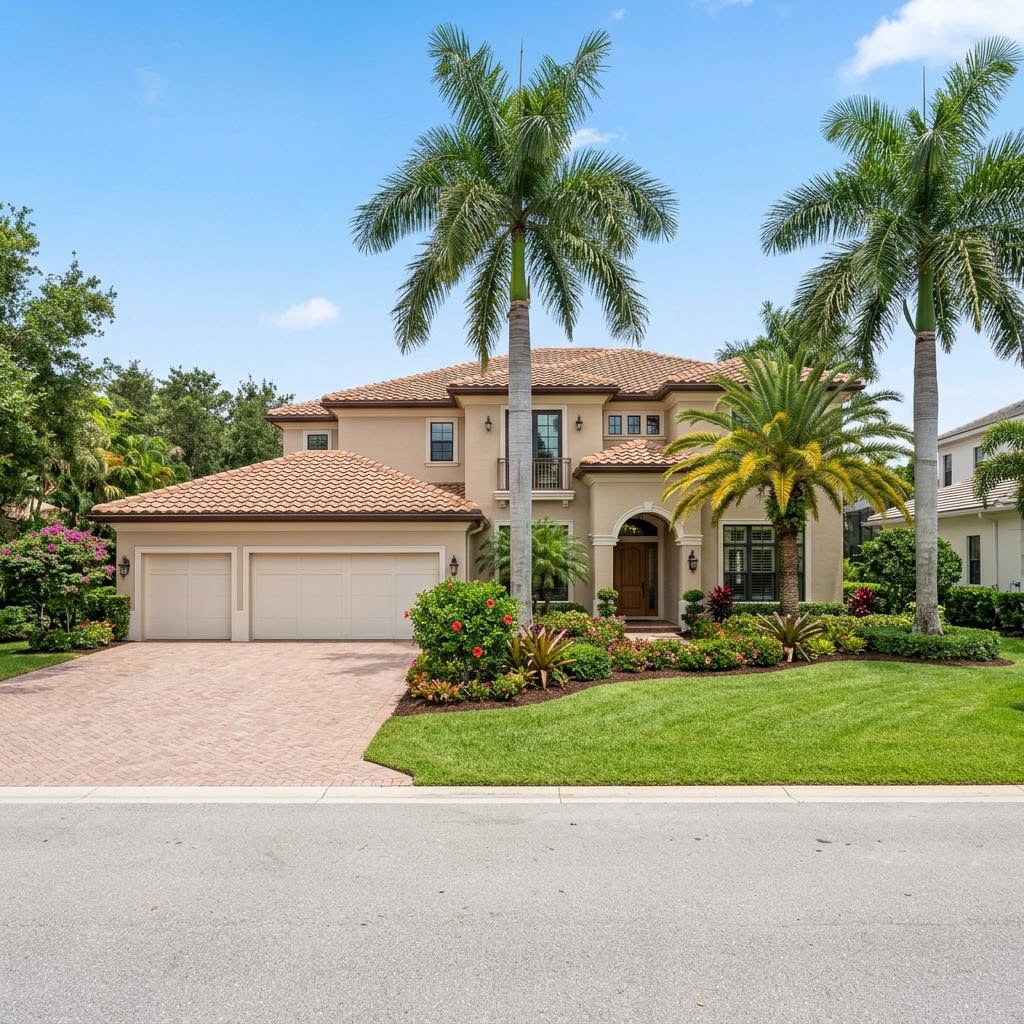
How Moisture Moves Through Detailed, Multi-Level Interiors
In a high-rise, water follows gravity but can also travel laterally along concrete, framing, piping, or ceiling components. A small release several levels or rooms away may damp drywall, insulation, or a cabinet enclosure before a visible mark appears. In waterfront homes, rain can follow an exterior penetration into concealed wall materials. Once organic surfaces remain damp in warm conditions, visible mold-like growth and persistent odors may develop.
Detailed finishes can obscure the boundaries. A wall covering may hide discoloration on drywall, while millwork or stone base details can cover the wall-floor connection. Professional remediation balances the need for access with protection of materials outside the affected area. Some durable finishes may be protected or retained; affected porous backing and enclosed components may require selective removal. The moisture source and construction layers guide those decisions.
Subtle Changes Around Custom Finishes
A musty odor inside a built-in, new discoloration at a wall covering seam, visible mold-like growth behind a base detail, a swollen cabinet panel, softened ceiling material, or recurring marks near a balcony door can point to damp building components. In tower units, water history in a unit above may also be relevant. Such clues call for a building-focused response and should not be treated as a health diagnosis.