Water Damage Restoration West Palm Beach FL
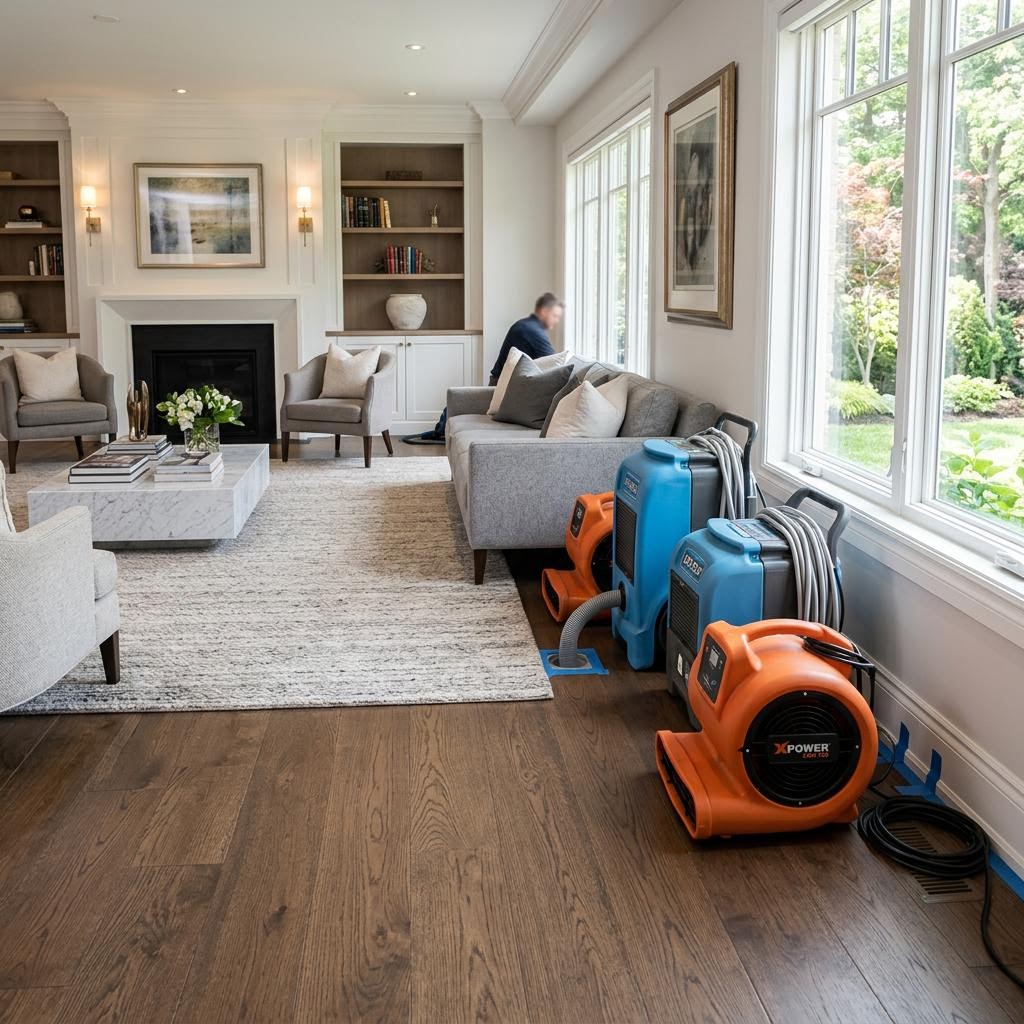
Water damage restoration work for a property in West Palm Beach, Florida
Residential and Commercial Water Restoration

Water Damage Restoration in West Palm Beach, FL

Titan Restoration Construction provides water damage restoration in West Palm Beach, Florida for residential and commercial properties. Whether unwanted water begins with a broken pipe, overflowing fixture, roof leak, appliance, or storm, Titan can address extraction, drying, moisture control, damaged material removal, and the construction work needed to restore the affected area.

A Practical Approach for a Varied City

West Palm Beach contains detached homes, historic and established neighborhoods, apartments, high-rise condominiums, offices, restaurants, and retail spaces. Water behavior differs across those buildings. In stacked construction, a leak may cross levels; in a commercial interior, it may travel above ceilings or along partition walls before becoming visible.

Titan serves houses, condominiums, apartments, offices, restaurants, and retail properties throughout the local area. Every water loss should be evaluated according to its source, how long materials have been wet, the path the water followed, and the materials involved. Learn more about Titan's broader presence on the West Palm Beach service area page or review the complete water damage restoration service.

Water Extraction Across West Palm Beach Building Types

West Palm Beach has detached homes, apartments, high-rise condominiums, offices, restaurants, and retail spaces. Extraction must match the building: a broken pipe in a residence may soak wall bases and flooring, while a commercial release can spread above ceiling grids or through partition walls. The initial assessment identifies standing water and the route it likely followed.

In stacked construction, water can cross floors and appear in a unit or suite below. In occupied interiors, contents and work areas also influence the extraction plan. Surface water removal is paired with moisture evaluation at ceilings, walls, floor edges, and concealed cavities so the response is based on the actual extent.

Measured Drying for City Properties

Drying equipment is selected and positioned around wet materials, building access, and the water path. Readings are taken over time to assess drywall, framing, flooring, and other assemblies. This matters in high-rise and multi-unit properties, where a localized leak can involve several levels or shared services.

Low-slope roof drainage issues can create broad ceiling moisture in offices, restaurants, and retail interiors. Drying should address the area above the visible ceiling evidence and any affected partitions, rather than treating a stain as an isolated problem. Conditions are monitored as the space dries.

Keeping a Wet Building Assembly From Lingering

Drywall, insulation, ceiling materials, wood elements, and settled debris can retain water after a leak. Rapid assessment and controlled drying reduce the time those materials remain damp. When a material has been compromised or cannot be dried reasonably, selective removal can create access and prevent moisture from being trapped behind new finishes.

An odor or staining can suggest a moisture history but does not show every affected surface. Investigation should connect the condition to a plumbing failure, roof drain issue, overflowing fixture, or exterior intrusion. Resolving that path is as important as cleaning the affected area. Learn more about professional mold remediation and Titan's West Palm Beach mold remediation service when mold-related work is needed.

Repairing Homes and Commercial Interiors

Rebuilding follows the drying and removal phase. A repair scope may include wallboard, insulation, ceiling systems, baseboards, flooring, trim, paint, or cabinet work. For a restaurant, office, or shop, repairs can be planned around the affected zone and the remaining usable interior.

One coordinated restoration plus construction process helps avoid disconnects between what was opened for drying and what must be repaired. Material choices and finish work can be aligned with the existing space after the wet assembly has been addressed. Explore Titan's West Palm Beach construction and rebuild services.

Condominiums, Apartments, and Houses

A fixture overflow or plumbing leak in a West Palm Beach residence may affect a lower ceiling, adjoining unit, or shared wall. Homes and apartments also need checks at flooring edges, bathrooms, kitchens, and laundry areas where water often collects out of view.

Offices, Restaurants, and Retail Spaces

Commercial water damage can involve ceiling grids, partition walls, service areas, and finished customer spaces. A building-specific assessment helps separate the source, moisture extent, contents considerations, and reconstruction needs.

Exterior Water and Roof Drainage

Storm water can enter near roof edges, exterior penetrations, doors, and windows. Low-slope roof drainage problems may allow moisture to travel above a ceiling before interior evidence appears. Read about Titan's West Palm Beach hurricane damage restoration and separate West Palm Beach wind damage restoration capabilities for wind-created openings and driven rain. For smoke, soot, or firefighting water from a separate property event, review West Palm Beach fire damage restoration.

A Capable Partner From Cleanup Through Repairs

Titan Restoration Construction has 20+ years of experience, is licensed and insured, and is 5-star rated with an A+ BBB rating. Restoration plus construction services provide a connected approach to extraction, drying, damaged material removal, and repair.

20+ years of experience
Licensed and insured
5-star rated
A+ BBB
Water mitigation and structural drying
Repair and reconstruction capabilities

West Palm Beach Water Damage FAQs

Can water move between condominium floors?

Yes. Plumbing and fixture water can travel through floor and ceiling assemblies and may become visible in a lower unit.

Why inspect above a stained commercial ceiling?

The stain may only show where water collected. The roof, plumbing, ceiling cavity, and nearby materials may reveal a broader path.

Can an overflowing fixture damage walls?

Yes. Water at floor level can wick into drywall, baseboards, cabinet bases, and adjoining rooms.

How are occupied work areas handled?

Planning considers access, affected contents, separation of wet areas, drying equipment placement, and the repairs required after mitigation.

Do repairs wait until drying is complete?

Repair decisions follow moisture evaluation and any necessary removal so finishes are not restored over wet or damaged materials.

Start With the Building and Water Source

Explain whether the loss is in a home, condominium, office, restaurant, or shop, along with the suspected source and visible damage, to outline appropriate restoration steps.