Water Damage Restoration South Palm Beach FL
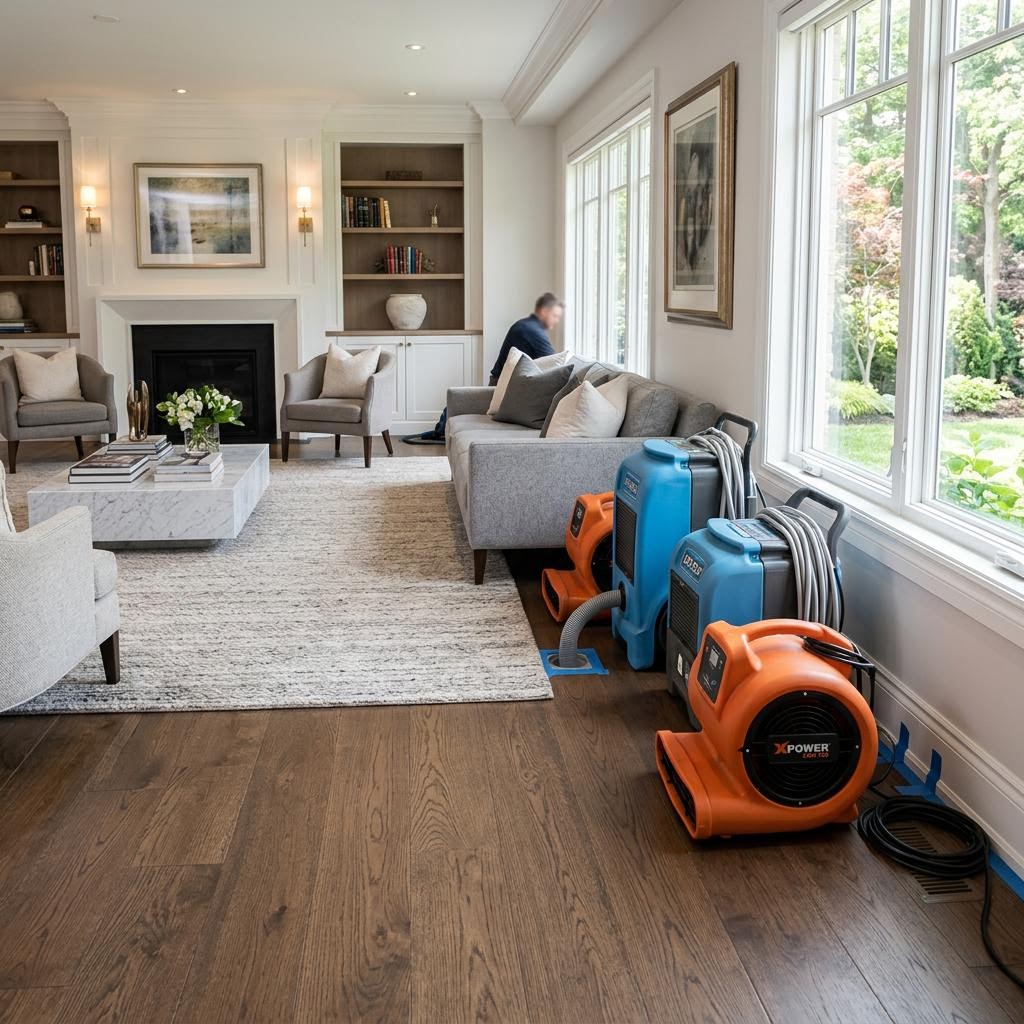
Water damage restoration work for a property in South Palm Beach, Florida
Residential and Commercial Water Restoration

Water Damage Restoration in South Palm Beach, FL

Titan Restoration Construction provides water damage restoration in South Palm Beach, Florida, with services for condominium units, residences, and commercial spaces. We can perform water extraction, structural drying, moisture monitoring, damaged material removal, and reconstruction while accounting for the access and coordination needs of a coastal multi-unit building.

Water Damage in South Palm Beach Condominiums

South Palm Beach is a compact coastal community with a notable concentration of condominium buildings. A supply, drain, or fixture leak can move into the unit below or along a shared wall. Equipment placement, work-area protection, building access, and communication are important parts of an organized restoration plan in these settings.

Titan serves condominium units, coastal residences, shared buildings, and ground-floor commercial spaces throughout the local area. Every water loss should be evaluated according to its source, how long materials have been wet, the path the water followed, and the materials involved. Learn more about Titan's broader presence on the South Palm Beach service area page or review the complete water damage restoration service.

Targeted Extraction in South Palm Beach Condominiums

South Palm Beach has many coastal condominium buildings where a leak in one kitchen, bath, or utility area can affect a ceiling or wall in another unit. Extraction begins with controlling the source and removing water from floors and other accessible surfaces. The initial review should include the unit below or adjacent areas when the water path suggests shared assemblies are involved.

Compact utility spaces can conceal appliance hoses, air conditioning drainage, and plumbing connections. Water may collect beneath flooring, behind baseboards, or in a cabinet base even when the main room looks dry. An organized assessment accounts for building access, protection of common paths, and the locations needed to establish the actual moisture boundary.

Drying Plans for Shared Building Assemblies

Condominium drying often requires more than treating the room where the leak was found. Moisture can move through a slab opening, along piping routes, across a shared wall, or into the ceiling below. Drying equipment and moisture monitoring should be directed by those paths, with attention to finishes that can conceal moisture.

Coastal buildings also require practical coordination around elevator access, building rules, resident access, and protected common areas. A defined work area helps keep equipment and materials organized. Readings taken during drying show whether the plan is reducing moisture in the materials that were actually affected.

Addressing Persistent Moisture in Condo Interiors

Mold concerns increase when damp wallboard, insulation, paper-faced materials, or cabinet components remain wet. Drying promptly after a plumbing, drain, or appliance event can limit the duration of moisture exposure. If a material cannot be dried or is visibly deteriorated, selective removal can provide access to the affected assembly.

Balcony doors, windows, exterior walls, and other coastal openings may also admit rain during severe weather. A recurring stain or odor should prompt a search for the entry route and the moisture it left behind. Repainting a stained surface without addressing the water path does not resolve the underlying condition. Learn more about professional mold remediation and Titan's South Palm Beach mold remediation service when mold-related work is needed.

Condominium Repairs After Moisture Control

After drying, reconstruction can include ceiling drywall, wallboard, insulation, baseboards, flooring sections, and cabinet-related finishes that were removed or damaged. The repair sequence should account for the unit layout and whether a ceiling or wall boundary relates to another residence or a building system.

A coordinated restoration-plus-construction process is useful when mitigation findings define the repair area. Matching the repair to the documented affected assembly helps prevent unnecessary work while allowing damaged finishes to be restored. The final scope can range from a small utility-area repair to multiple connected interior surfaces. Explore Titan's South Palm Beach construction and rebuild services.

Coastal Units and Residences

In a South Palm Beach condo, a dishwasher line, bathroom supply, or air conditioning drain can wet a compact area and still travel outside it. Residents should note where water first appeared and avoid assuming the source is directly above the stain. Floors, shared walls, ceilings, closets, and cabinet bases may require evaluation.

Ground-Floor Commercial Spaces

Ground-floor commercial interiors may have water from plumbing, restrooms, exterior openings, or systems above a ceiling. Drying work should consider partitions, ceiling cavities, flooring, inventory-adjacent areas, and safe access for occupants. A building-specific plan can sequence assessment, drying, removal, and later repairs with minimal confusion.

Coastal Rain Entry Paths

Driving rain can find gaps around balcony doors, windows, exterior wall transitions, and roof-related details. Moisture may spread behind finishes before it reaches a visible edge. Exterior conditions and interior materials near the opening should both be considered when defining the affected area. Read about Titan's South Palm Beach hurricane damage restoration and separate South Palm Beach wind damage restoration capabilities for wind-created openings and driven rain. For smoke, soot, or firefighting water from a separate property event, review South Palm Beach fire damage restoration.

Why Choose Titan for South Palm Beach Water Damage

Titan Restoration Construction has 20+ years of experience and can provide restoration plus construction under one company. Titan is licensed and insured, 5-star rated, and A+ BBB rated. Those established trust facts support a coordinated approach for water damage in condos, residences, and commercial interiors.

20+ years of experience
Licensed and insured
5-star rated
A+ BBB
Water mitigation and structural drying
Repair and reconstruction capabilities

South Palm Beach Water Damage FAQs

Should a condo ceiling be checked after an upstairs leak?

Yes. Water can enter the ceiling cavity and wet insulation, drywall, or framing before a stain appears. The area below the suspected source should be assessed.

Can air conditioning drainage cause water damage in a condo?

Yes. A drainage backup or leak can affect a closet, utility area, ceiling, wall, or nearby finished floor depending on the equipment location and drainage route.

Do balcony door leaks affect only the door area?

Not always. Rainwater can move behind baseboards, into adjacent wall materials, or beneath nearby flooring. The perimeter around the opening should be checked.

Why is building access important during water restoration?

Access affects where equipment can be placed, which units or common spaces can be inspected, and how affected assemblies can be reached without disrupting protected building areas.

What repairs might follow condo drying?

Possible repairs include drywall, insulation, trim, flooring sections, ceiling finishes, and cabinet-related materials. The needed scope depends on moisture findings and the materials affected.

Plan the Next Steps for Your Unit

Document the water source and visible affected areas, then request an assessment that considers drying needs, concealed moisture, and any repair work that follows.