Water Damage Restoration Palm Beach Gardens FL
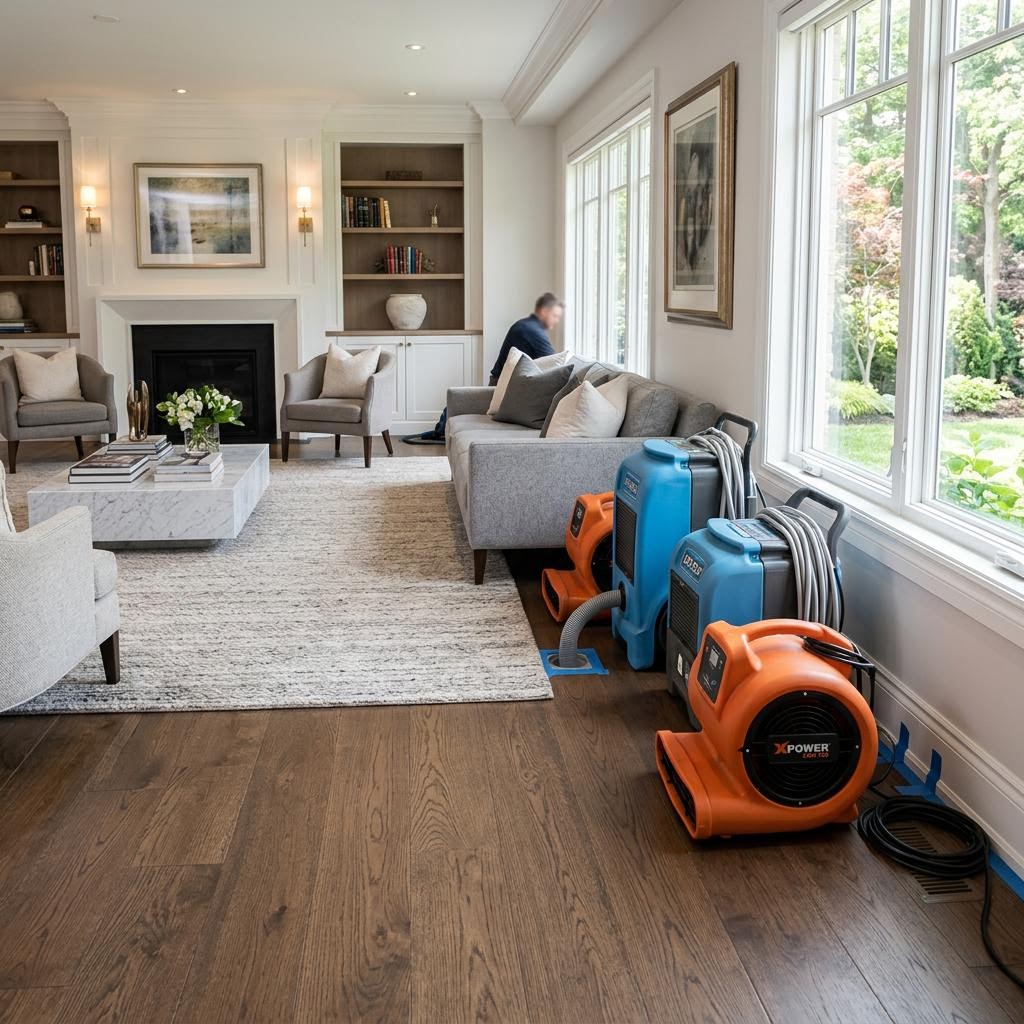
Water damage restoration work for a property in Palm Beach Gardens, Florida
Residential and Commercial Water Restoration

Water Damage Restoration in Palm Beach Gardens, FL

Titan Restoration Construction provides professional water damage restoration throughout Palm Beach Gardens, Florida. We assist homeowners, property managers, and businesses with water extraction, structural drying, moisture detection, selective material removal, and reconstruction after plumbing leaks, air conditioning issues, roof intrusion, or severe weather.

Restoration Planning in Palm Beach Gardens

Palm Beach Gardens has established neighborhoods, gated communities, newer residential areas, condominiums, offices, and retail properties. A loss in a large home may spread beneath continuous flooring, while a leak in an attached or commercial building may involve ceilings, partitions, shared walls, or neighboring spaces. The building layout must guide the drying plan.

Titan serves single-family homes, gated communities, condominiums, offices, and retail interiors throughout the local area. Every water loss should be evaluated according to its source, how long materials have been wet, the path the water followed, and the materials involved. Learn more about Titan's broader presence on the Palm Beach Gardens service area page or review the complete water damage restoration service.

Targeted Water Removal in Palm Beach Gardens

Palm Beach Gardens includes newer homes, gated communities, condominiums, offices, and retail interiors, each with different water paths. Extraction starts with the source and visible water, then extends to nearby floor edges, cabinet bases, and rooms connected by continuous flooring. In an attached building, ceilings, partitions, shared walls, and neighboring areas may require evaluation.

An appliance line can release water slowly beneath a refrigerator or dishwasher, while a larger plumbing event may reach several rooms. Removing standing water protects the immediate area, but a complete plan also considers contents, access points, and materials that absorb water behind finished surfaces. Clear documentation establishes a useful baseline for drying.

Moisture Control for Attached and Detached Buildings

Drying is based on moisture conditions, material type, and the layout of the building. In a large residence, water can remain beneath connected flooring or behind a kitchen island. In a condominium or office suite, the same event can affect a ceiling cavity, demising wall, or space below. Measurements help direct airflow and dehumidification where they are needed.

Air handler and condensate backups deserve careful attention because they can wet ceilings, closets, and wall cavities without a dramatic surface puddle. Equipment is adjusted as conditions change, and monitoring helps confirm that drying is progressing rather than relying on how dry a surface feels.

Managing Moisture in Finished Interiors

Mold concerns increase when wet drywall, insulation, wood components, or dust remain damp. Early drying and targeted removal of non-restorable material can limit the conditions that allow growth. This is particularly important around cabinetry, closets, and enclosed mechanical areas where air movement is limited.

If staining, odor, or persistent dampness is present, the investigation should look for the active or prior water path. A roof or window leak may have traveled inside a wall, while an appliance leak may be contained under finished flooring. Cleanup is more durable when the intrusion route is corrected as well. Learn more about professional mold remediation and Titan's Palm Beach Gardens mold remediation service when mold-related work is needed.

Putting Interiors Back Together

Reconstruction begins after affected materials are dry and the necessary removal scope is complete. Repairs may involve drywall, insulation, paint, baseboards, flooring, cabinet components, and ceiling finishes. The repair scope is tied to the materials actually affected rather than to a generic room package.

For a multi-unit property or commercial interior, sequencing can help limit disruption to unaffected areas. Protecting adjacent finishes and coordinating access before rebuilding makes it easier to move from drying work into a finished, functional space. Explore Titan's Palm Beach Gardens construction and rebuild services.

Homes, Condos, and Gated Communities

A Palm Beach Gardens water loss may begin at a refrigerator, washing machine, bathroom fixture, or air conditioner. Homes with broad finished floors and built-in kitchens benefit from checking where water traveled beyond the initial room, while condominium losses may require attention to shared assemblies.

Office and Retail Water Damage

Offices and retail spaces can hide water above ceiling tiles, behind partitions, or near mechanical equipment. A practical plan identifies affected building materials and contents while considering how work areas will be accessed and restored.

Roof, Window, and Exterior Leaks

Heavy rain can enter at damaged roofing, flashing, window assemblies, or exterior transitions. The point where water becomes visible indoors may not be the entry location, so both paths should be evaluated. Read about Titan's Palm Beach Gardens hurricane damage restoration and separate Palm Beach Gardens wind damage restoration capabilities for wind-created openings and driven rain. For smoke, soot, or firefighting water from a separate property event, review Palm Beach Gardens fire damage restoration.

Experienced Restoration With Repair Capability

Titan Restoration Construction offers 20+ years of experience and is licensed and insured. The company is 5-star rated with an A+ BBB rating, and its restoration plus construction services allow water mitigation and subsequent repairs to be coordinated through one team.

20+ years of experience
Licensed and insured
5-star rated
A+ BBB
Water mitigation and structural drying
Repair and reconstruction capabilities

Palm Beach Gardens Water Damage FAQs

Can an appliance leak affect flooring outside the kitchen?

Yes. Water may move beneath continuous flooring and through openings around cabinets, so nearby rooms and transitions may need moisture checks.

What should be checked after an air handler leak?

The closet or mechanical area, ceiling and wall materials, condensate route, and adjacent finishes should be evaluated for moisture.

Do shared walls matter in a condominium loss?

They can. Water can move through wall, floor, and ceiling assemblies, which is why the assessment may extend beyond the visibly wet room.

Are ceiling tiles enough to show the full extent of a commercial leak?

No. Tiles can show an issue, but the area above them, nearby partitions, and the water source also need evaluation.

When can repairs begin?

Repairs are planned after moisture conditions and any needed material removal have been addressed, so new finishes are not installed over wet assemblies.

Plan the Next Step for Your Property

Describe the water source, building type, and rooms involved to begin a focused discussion about removal, drying, material evaluation, and repair.