Water Damage Restoration Palm Beach FL
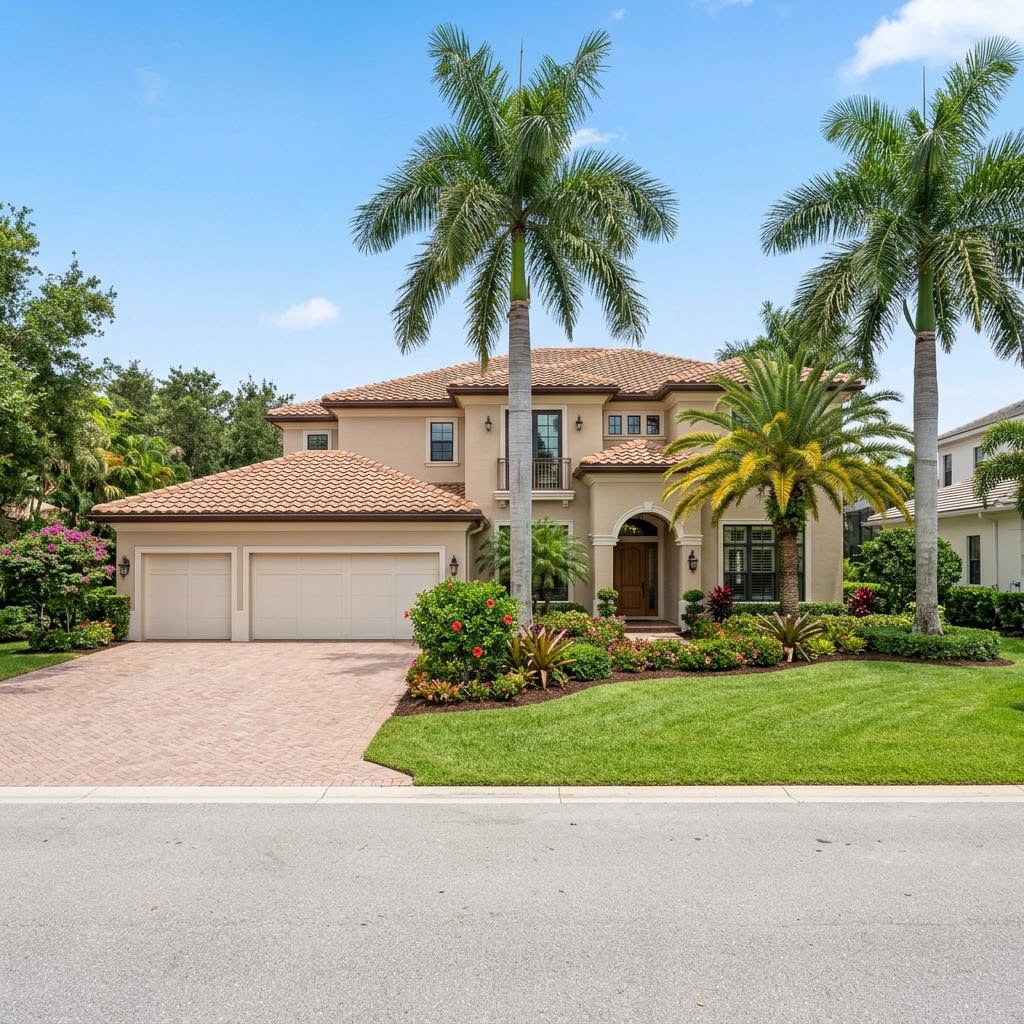
Water damage restoration work for a property in Palm Beach, Florida
Residential and Commercial Water Restoration

Water Damage Restoration in Palm Beach, FL

Titan Restoration Construction offers water damage restoration in Palm Beach, Florida for residences, condominiums, and commercial properties. Titan can remove water, establish airflow and dehumidification, measure moisture in affected materials, perform necessary removal, and rebuild drywall, flooring, cabinetry, trim, and other finishes after a water loss.

Careful Restoration for Palm Beach Buildings

Palm Beach properties include detached residences, waterfront homes, condominium buildings, and commercial interiors. Stone, millwork, built-ins, and other detailed finishes benefit from careful moisture evaluation before removal decisions are made. In shared buildings, the investigation may also need to account for water movement through floors, ceilings, and common assemblies.

Titan serves detailed residences, waterfront homes, condominium units, and commercial interiors throughout the local area. Every water loss should be evaluated according to its source, how long materials have been wet, the path the water followed, and the materials involved. Learn more about Titan's broader presence on the Palm Beach service area page or review the complete water damage restoration service.

Careful Water Extraction for Palm Beach Interiors

Palm Beach includes detailed residences, waterfront homes, condominium units, and commercial interiors where water can affect cabinetry, stone-adjacent assemblies, millwork, and finished flooring. Extraction begins with controlling the release when possible and removing standing water while protecting unaffected finishes. The assessment then identifies where water entered walls, cabinet bases, floor layers, or ceilings.

A kitchen, bathroom, or laundry failure can place water below built-ins where it is not readily visible. In a condominium, shared plumbing may allow it to travel vertically or laterally. A measured review of the affected materials supports decisions that preserve recoverable finishes while providing access where moisture is trapped.

Drying Detailed and Shared Assemblies

Drying is not simply a matter of running equipment in a room. Airflow and dehumidification are arranged around material type, moisture readings, and access to concealed areas. Finished interiors often require readings at wall bases, beneath cabinet areas, along flooring edges, and around ceiling openings to understand whether the assembly is drying as intended.

Coastal rain can enter at roof details, balconies, windows, or doors and move behind interior finishes. In a multi-unit building, an investigation may also consider the unit above, adjacent assemblies, and common plumbing routes. Monitoring informs whether conditions have stabilized before repair work proceeds.

Protecting Interiors From Extended Moisture

When moisture remains in drywall, backing materials, wood elements, insulation, or accumulated debris, mold conditions can develop. Prompt extraction and controlled drying help reduce that risk. If a material cannot be restored, selective removal can expose the damp area and prevent it from being closed back into the building.

Visible spotting or an odor should lead to a search for the water source and wet material, not assumptions about the cause. A fixture failure, appliance release, shared pipe, or coastal opening can each require a different corrective step. Lasting cleanup depends on addressing the intrusion path. Learn more about professional mold remediation and Titan's Palm Beach mold remediation service when mold-related work is needed.

Rebuilding With Finish Considerations in Mind

After the affected assembly is dry and mitigation is complete, reconstruction can restore drywall, trim, flooring, cabinet components, paint, and other finishes. The work is scoped to the condition found during moisture evaluation and removal, with careful attention to transitions between repaired and unaffected areas.

Detailed interiors benefit from a sequenced approach that protects remaining finishes while repairs occur. Coordinating construction after restoration makes it possible to address the opened areas, replace damaged materials, and return the room to its intended use without separating the investigation from the repair scope. Explore Titan's Palm Beach construction and rebuild services.

Water Damage in Palm Beach Homes and Condos

Water may collect beneath kitchen and bath cabinetry, travel from a condominium plumbing stack, or enter near a balcony or roof transition. Residences with built-ins and layered finishes benefit from moisture evaluation before removal or repair decisions are made.

Commercial Interior Restoration

Commercial spaces can have finished walls, service plumbing, ceilings, and built-in features that conceal water. A focused plan identifies the source and affected assemblies while protecting unaffected portions of the interior.

Coastal Openings and Rain Intrusion

Heavy coastal rain can find paths at balconies, windows, doors, and roof details. Water can migrate behind finishes, making the visible stain or damp surface only one part of the evaluation. Read about Titan's Palm Beach hurricane damage restoration and separate Palm Beach wind damage restoration capabilities for wind-created openings and driven rain. For smoke, soot, or firefighting water from a separate property event, review Palm Beach fire damage restoration.

Restoration and Construction for One Complete Scope

Titan Restoration Construction offers 20+ years of experience and is licensed and insured. The company is 5-star rated and has an A+ BBB rating. Its restoration plus construction services connect water removal and drying with the repairs that follow.

20+ years of experience
Licensed and insured
5-star rated
A+ BBB
Water mitigation and structural drying
Repair and reconstruction capabilities

Palm Beach Water Damage FAQs

Can water be trapped under built-in cabinetry?

Yes. Water from a kitchen, bath, or appliance release can collect at toe kicks, backing materials, and floor edges beneath cabinets.

Why does a condominium loss require broader evaluation?

Water may move through shared plumbing, floors, ceilings, or adjoining assemblies, so the visible location may not identify the full path.

Should stone or detailed finishes be removed immediately?

Removal decisions should follow moisture evaluation and access needs. Some surrounding materials may be recoverable while others require selective removal.

What is checked after rain enters near a balcony?

The opening, adjacent wall and ceiling materials, floor transitions, and interior surfaces along the likely water path should be assessed.

What can reconstruction include after water damage?

Work may include drywall, insulation, trim, paint, flooring repairs, and cabinet components based on the affected scope.

Discuss Your Palm Beach Water Damage

Describe the affected room, suspected source, and whether the property is a home, condominium, or commercial interior to begin planning a careful restoration path.