Water Damage Restoration Lantana FL
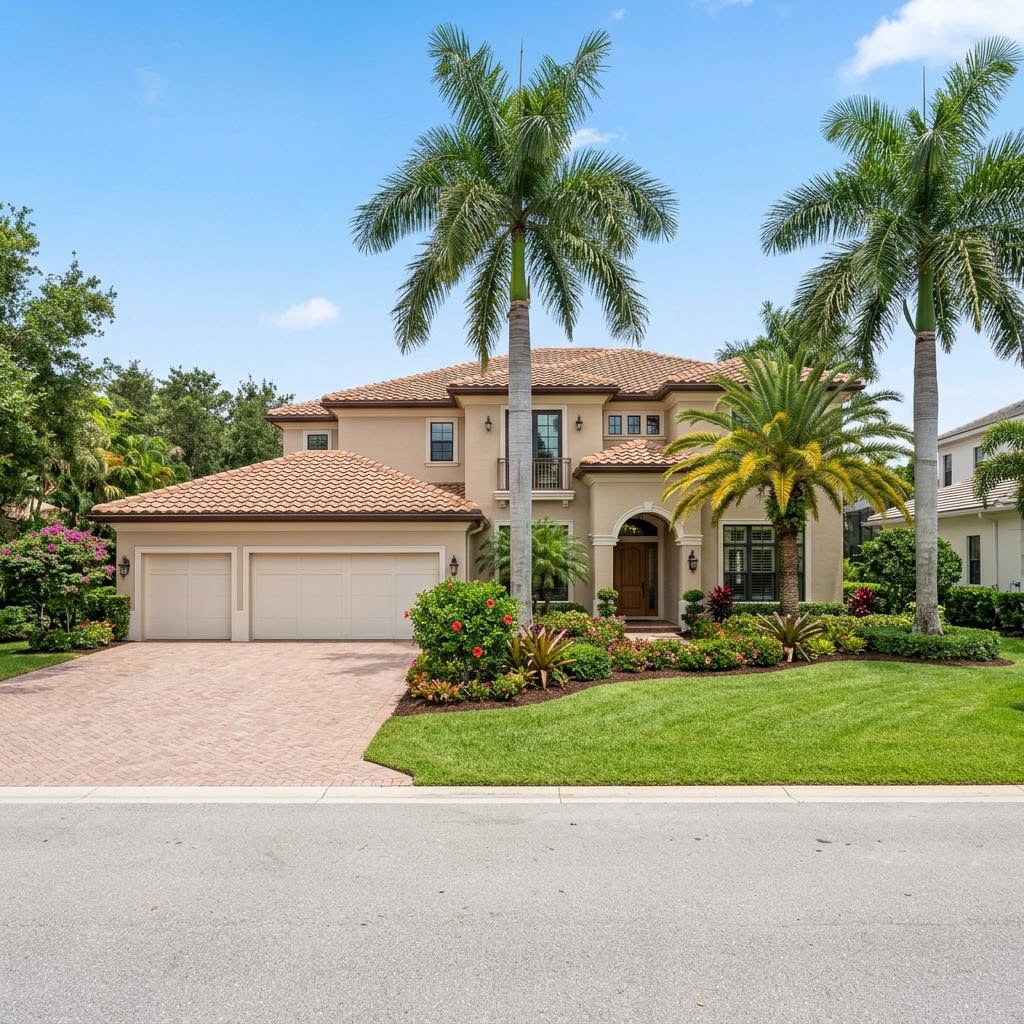
Water damage restoration work for a property in Lantana, Florida
Residential and Commercial Water Restoration

Water Damage Restoration in Lantana, FL

Titan Restoration Construction offers water damage restoration in Lantana, Florida for houses, condominiums, and commercial properties. Following a plumbing leak, overflow, appliance failure, roof problem, or storm, we can remove water, dry and monitor materials, identify concealed moisture, and provide the repairs and rebuilding required afterward.

Restoring Lantana Homes of Different Ages

Lantana includes coastal and inland properties with a variety of construction periods and finish systems. Older renovations can leave layered flooring or wall materials that hold moisture differently. Raised floors, where present, can allow water to reach subflooring, while roof openings and aging seals may create less obvious interior paths.

Titan serves older houses, renovated homes, coastal condominiums, and neighborhood businesses throughout the local area. Every water loss should be evaluated according to its source, how long materials have been wet, the path the water followed, and the materials involved. Learn more about Titan's broader presence on the Lantana service area page or review the complete water damage restoration service.

Water Extraction for Lantana Buildings

A supply line release, appliance leak, or fixture overflow can spread farther than the visible puddle. In Lantana homes with layered flooring or older renovations, water may work under trim, through seams, and into wall bottoms. Extraction begins with identifying the affected footprint and removing standing water from accessible floors, rugs, and cavities where appropriate.

The source should be stopped before cleanup decisions are made. A careful inspection can distinguish a wet surface from moisture that has reached cabinets, subflooring, or adjoining rooms. That information helps determine which materials can be dried in place and which require selective removal rather than assuming every finish has the same construction.

Drying Older and Renovated Assemblies

Drying is a measured process, not simply placing air movers in a room. Equipment placement, airflow, dehumidification, and moisture readings are adjusted to the materials present. A previously remodeled wall may contain layers that slow evaporation, while a raised floor can leave moisture below the finished surface.

Monitoring helps confirm that hidden areas are progressing rather than trapping dampness behind a baseboard or cabinet toe kick. When access is needed, it should be limited to the affected assembly. The drying record also gives owners a practical basis for repair decisions once materials have returned to an appropriate condition.

Addressing Damp Materials Before Mold Spreads

Persistent moisture is the condition that supports mold growth. After a Lantana roof leak or plumbing loss, concealed drywall, insulation, and wood components deserve attention even if the room looks mostly dry. Moisture evaluation can locate areas where water traveled behind a finished face.

If mold-affected material is identified, the work scope should separate the area, remove materials that cannot be restored, and clean remaining surfaces as appropriate. Correcting the water path and drying the structure are central steps, because surface treatment alone does not resolve an ongoing leak or damp cavity. Learn more about professional mold remediation and Titan's Lantana mold remediation service when mold-related work is needed.

Repairs After the Structure Is Dry

Reconstruction can follow after drying and any necessary removal are complete. The scope may include drywall, insulation, baseboards, flooring transitions, cabinets, paint, or trim. Matching the repair approach to the existing construction is particularly useful in older homes with prior additions or renovations.

Keeping restoration and construction connected can reduce handoffs between the drying phase and finish work. Before closing a wall or reinstalling a finish, the affected area should be reviewed so repairs are based on the actual condition of the assembly rather than the original visible stain. Explore Titan's Lantana construction and rebuild services.

Water Damage Help for Lantana Homes

Lantana includes older houses, renovated residences, coastal condominiums, and properties with varied finish systems. Kitchen and laundry leaks can reach cabinets and subfloors, while flashing, vent, skylight, and exterior-transition leaks may travel before appearing indoors. A residential plan should account for those concealed paths and protect unaffected rooms during drying and repair.

Commercial Interior Water Cleanup

Neighborhood businesses can have water move behind storefront finishes, through ceiling areas, or beneath flooring after a plumbing or roof event. A defined work area, moisture documentation, and phased repair planning help owners understand what is affected while limiting unnecessary disruption to usable portions of the space.

Rain and Roof Intrusion in Lantana

Heavy rain can exploit aging seals, roof penetrations, flashing, and exterior transitions. Water may follow framing or collect in insulation before a ceiling stain appears. After weather-related intrusion, inspecting the apparent entry point and the interior travel path is more useful than repairing only the visible finish. Read about Titan's Lantana hurricane damage restoration and separate Lantana wind damage restoration capabilities for wind-created openings and driven rain. For smoke, soot, or firefighting water from a separate property event, review Lantana fire damage restoration.

A Connected Restoration and Construction Team

Titan Restoration Construction brings 20+ years of experience to water restoration and repair, with licensed and insured service, 5-star rated customer feedback, and an A+ BBB rating. The team combines restoration plus construction so drying findings can inform the repair scope that follows.

20+ years of experience
Licensed and insured
5-star rated
A+ BBB
Water mitigation and structural drying
Repair and reconstruction capabilities

Lantana Water Damage FAQs

Can water remain below layered flooring?

Yes. Flooring layers and underlayment can retain moisture after the surface looks dry. Moisture checks help determine whether drying access or selective removal is needed.

What should I do after a roof leak?

Stop or contain the active entry if it is safe, protect belongings from drips, and document the affected area. The roof path and concealed interior moisture should both be evaluated.

Does a cabinet leak always require cabinet removal?

Not always. The decision depends on where water reached, the cabinet construction, and whether materials can be dried. Measurements and access conditions guide the scope.

Why did a ceiling stain appear away from the leak?

Water can follow roof framing, pipes, or the upper side of a ceiling before it finds a low point. The stain identifies where water emerged, not necessarily where it began.

Can repairs begin while drying equipment is running?

Repairs that close or cover wet materials should wait until the affected assembly has been dried and reviewed. Some planning and material selection can occur during the drying process.

Discuss Water Damage at Your Lantana Property

If water has reached flooring, walls, cabinetry, or a ceiling, contact Titan to discuss the source, affected materials, and next steps for extraction, drying, and repairs.